
Setting Up A Home Espresso Station In NZ
If you've ever stood in the coffee aisle staring at a wall of machines ranging from $150 to $3,000, wondering what on earth separates them - you're exactly who this guide is for. The honest truth is most people who buy a home espresso machine give up on it within a few months, not because espresso is hard exactly, but because nobody tells you the boring bit first: the machine is maybe a third of what makes good coffee. This guide walks through what actually matters, in the order it matters, so you're not the person who spent $1,200 on a machine and is still making burnt, sour coffee six months later.
What actually affects the coffee in your cup
There's a rough hierarchy to what actually affects your coffee, and it surprises most beginners:
- The grinder. This is the single most under-rated purchase in home espresso, and it's not close. Espresso needs a grind that's extremely consistent and extremely fine - finer than anything a blade grinder or a cheap burr grinder can reliably produce. If your grind is inconsistent, some grounds extract too fast (sour, thin) and some too slow (bitter, harsh) - at the same time, in the same shot. A good machine paired with a bad grinder is one of the most common (and most expensive) mistakes people make.
- Fresh, correctly roasted beans. Coffee starts losing its good flavours within a couple of weeks of roasting, and pre-ground coffee loses them within days. Look for a roast date on the bag, not a "best before" date - and buy beans roasted within the last two to three weeks. Most NZ supermarket coffee has been sitting on a shelf for months. A local roaster (there's a good one in almost every NZ town now) will make more difference to your coffee than upgrading your machine will.
- The machine. Genuinely matters less than people think, once you're above the bottom rung of the market. A machine's job is to hold consistent temperature and push water through the puck at the right pressure - most machines from reputable brands do this fine. What differs is convenience (pre-set vs manual temperature, built-in grinder or not) and how forgiving the machine is while you're learning.
- Technique. Free, and takes longer to develop than people expect. Dosing, tamping evenly, and dialling in the grind size for the beans you're using will do more for your coffee than any single gear upgrade.
Espresso vs everything else - know what you're actually setting up for
Worth pausing here, because "home espresso station" means different things to different people, and it changes what you should buy:
- Espresso machine (manual or semi-automatic): You control the grind, dose, and tamp. Steepest learning curve, best ceiling, and what most of this guide is about.
- Bean-to-cup machine: Grinds and pulls shots at the push of a button. Far less faff, genuinely good coffee, but less control and usually a shorter lifespan on the internals.
- Pod machines (Nespresso and similar): Fine coffee, zero learning curve, ongoing pod cost adds up, and it's not really espresso in the traditional sense - more a strong, consistent brew.
- Stovetop moka pot or AeroPress: Not espresso (no 9-bar pressure), but genuinely excellent, cheap coffee if espresso itself isn't the goal - just good coffee at home.
If what you actually want is "a proper coffee each morning without much fuss," a bean-to-cup machine or a good AeroPress might serve you better than committing to the manual espresso rabbit hole. If you want the ritual, the tinkering, and the ceiling that comes with proper espresso, keep reading.
Setting a realistic budget
A workable manual setup - machine, grinder, tamper, and a scale - realistically starts somewhere in the $600-$900 range in NZ if you're buying new and want gear that won't frustrate you within a year. It's entirely possible to spend less, but the grinder is where corners get cut and shouldn't be. It's also entirely possible to spend $3,000+, and for most home users that money is far better spent on a mid-range machine plus a genuinely good grinder than a premium machine and a mediocre one.
If money's tight, buy the grinder first and use a moka pot or AeroPress while you save for the machine. A great grinder with a modest brewing method beats a great machine with a poor grinder every time.
Common first-timer mistakes
- Buying pre-ground coffee because it's convenient. It's the single biggest reason first attempts at home espresso disappoint people.
- Skipping the scale and eyeballing the dose. Espresso is unforgiving of inconsistency in a way filter coffee isn't.
- Under-dosing the grinder and buying a machine before a decent burr grinder. If you only do one thing differently after reading this, make it this.
- Giving up after a week. Dialling in a new bag of beans takes a handful of shots of trial and error - that's normal, not a sign you've bought the wrong gear.
Home Espresso Checklist
Buy the grinder first - a modest machine paired with a proper grinder and fresh beans will out-perform a flashy machine paired with a cheap grinder every time.
Necessity
Entry-level espresso machine
A basic pump machine with a portafilter is the real starting point - pod machines don't count.
 Budget
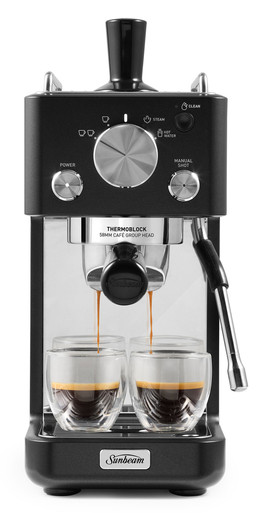
Sunbeam Origins Slimline EMM4500BK
A slimline manual pump machine with a portafilter and steam wand, positioned as Sunbeam's basic real espresso option for small kitchens rather than a pod machine.
 Mid-Range
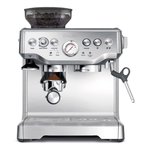
Breville Barista Express
A long-running favourite that pairs a built-in conical burr grinder with a manual espresso machine, so you can go from bean to shot without buying a separate grinder.
 Premium
Breville Barista Touch Impress
An automatic step-up model that handles grinding, dosing and tamping via a touchscreen, for people who want consistent espresso-machine results without manually building the puck each time.
Burr grinder
The single biggest upgrade over the machine itself - consistent grind size is what actually makes espresso taste good.
- Budget
Baratza Encore
The go-to recommendation for a first "real" burr grinder - consistent, easy to dial in, and durable enough to last years of daily use.
 Mid-Range
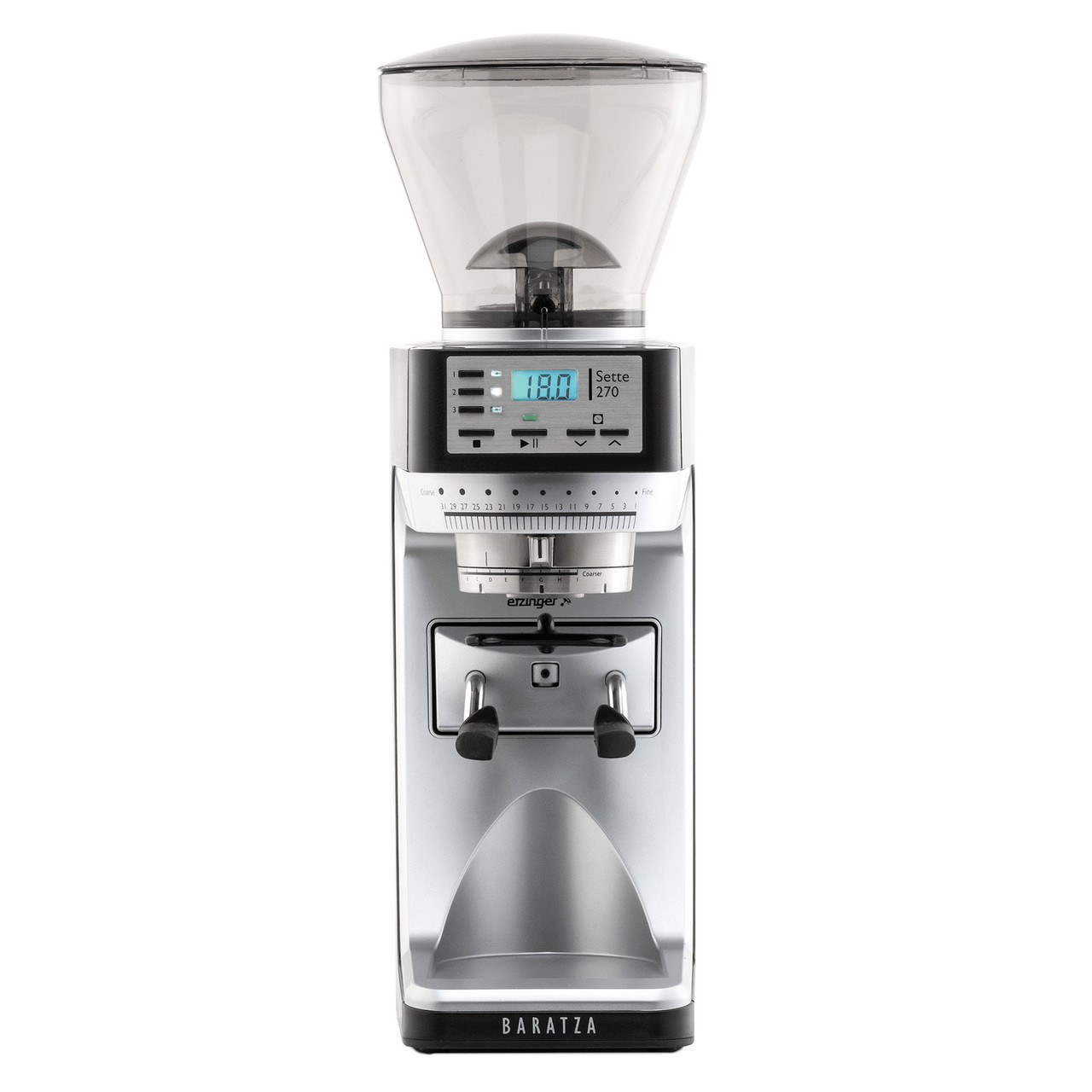
Baratza Sette 270
A step up from the Encore with electronically timed doses and Baratza's conical burr design, aimed at people who want faster, more repeatable single-dose grinding for espresso.
 Premium
Niche Zero
A single-dose conical burr grinder well regarded in the home espresso community for its near-zero retention and grind consistency, without the bulk or price of a full commercial grinder.
Fresh whole bean coffee
Buy roasted-to-order in small batches - pre-ground coffee goes stale long before you'll notice by looking at it.
 Budget
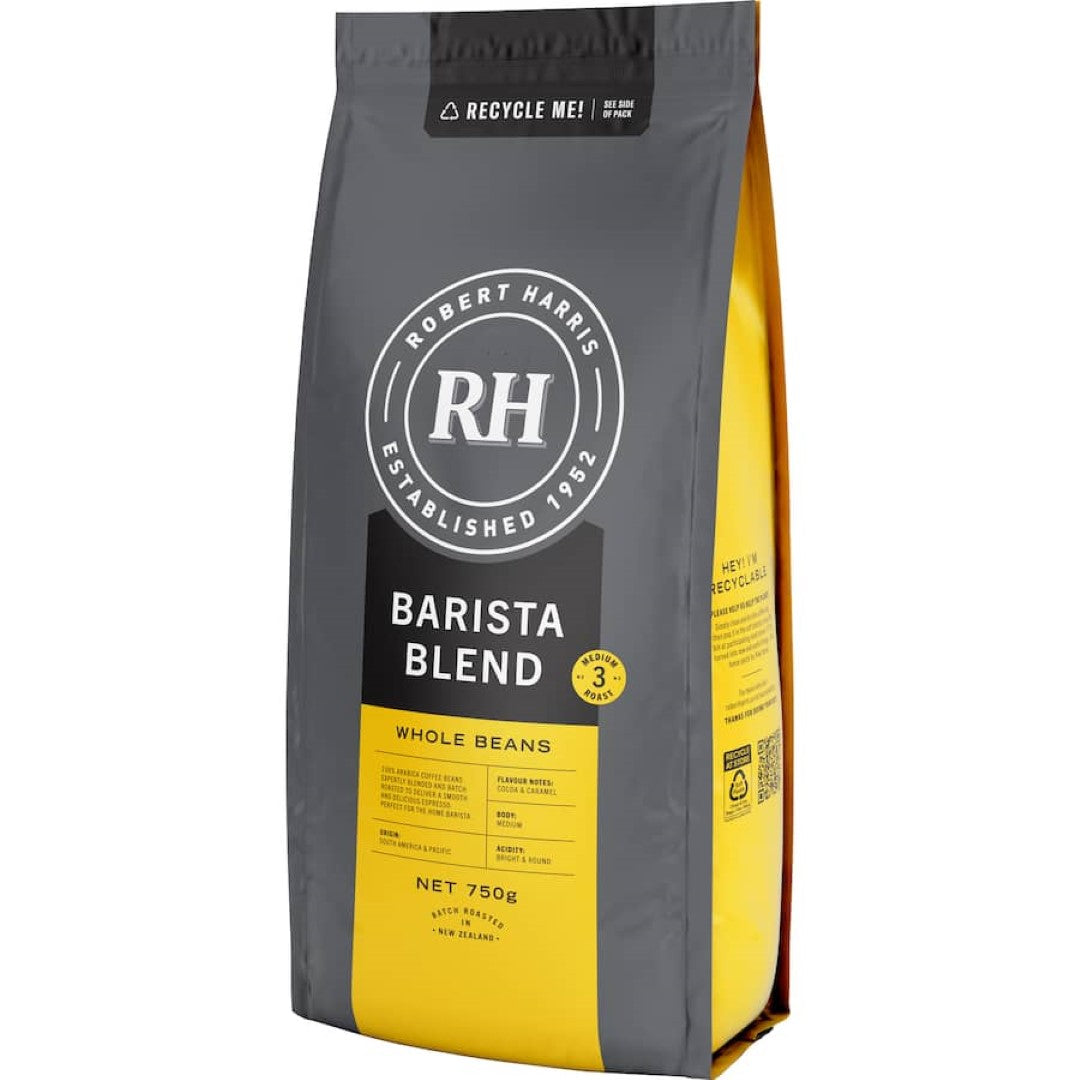
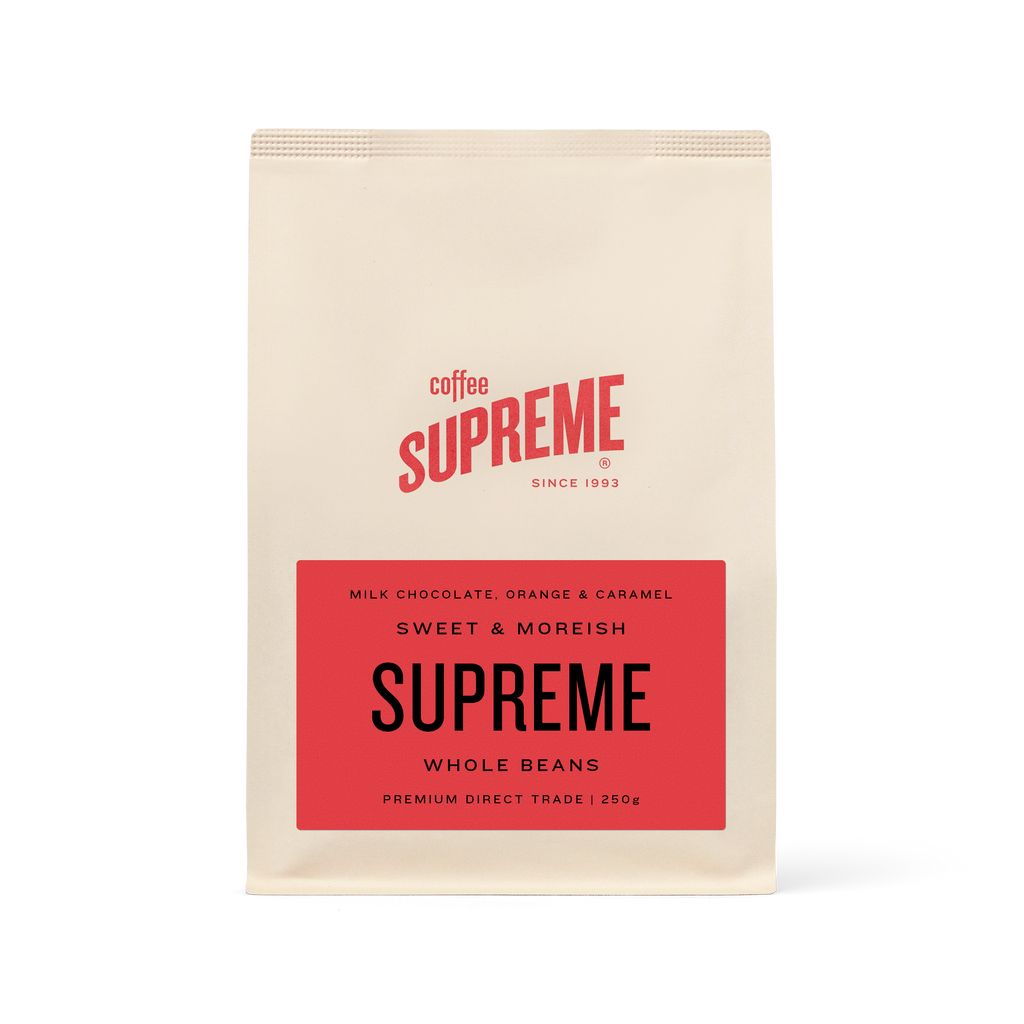
Local supermarket whole bean blend
A widely available supermarket blend that's a reasonable starting point for whole beans, though it won't have as recent a roast date as coffee from a specialty roaster.
 Mid-Range
Local roastery subscription bag
A medium-roast blend from a well-known New Zealand roaster, available as a one-off bag or on a recurring subscription so beans keep arriving freshly roasted.
 Premium
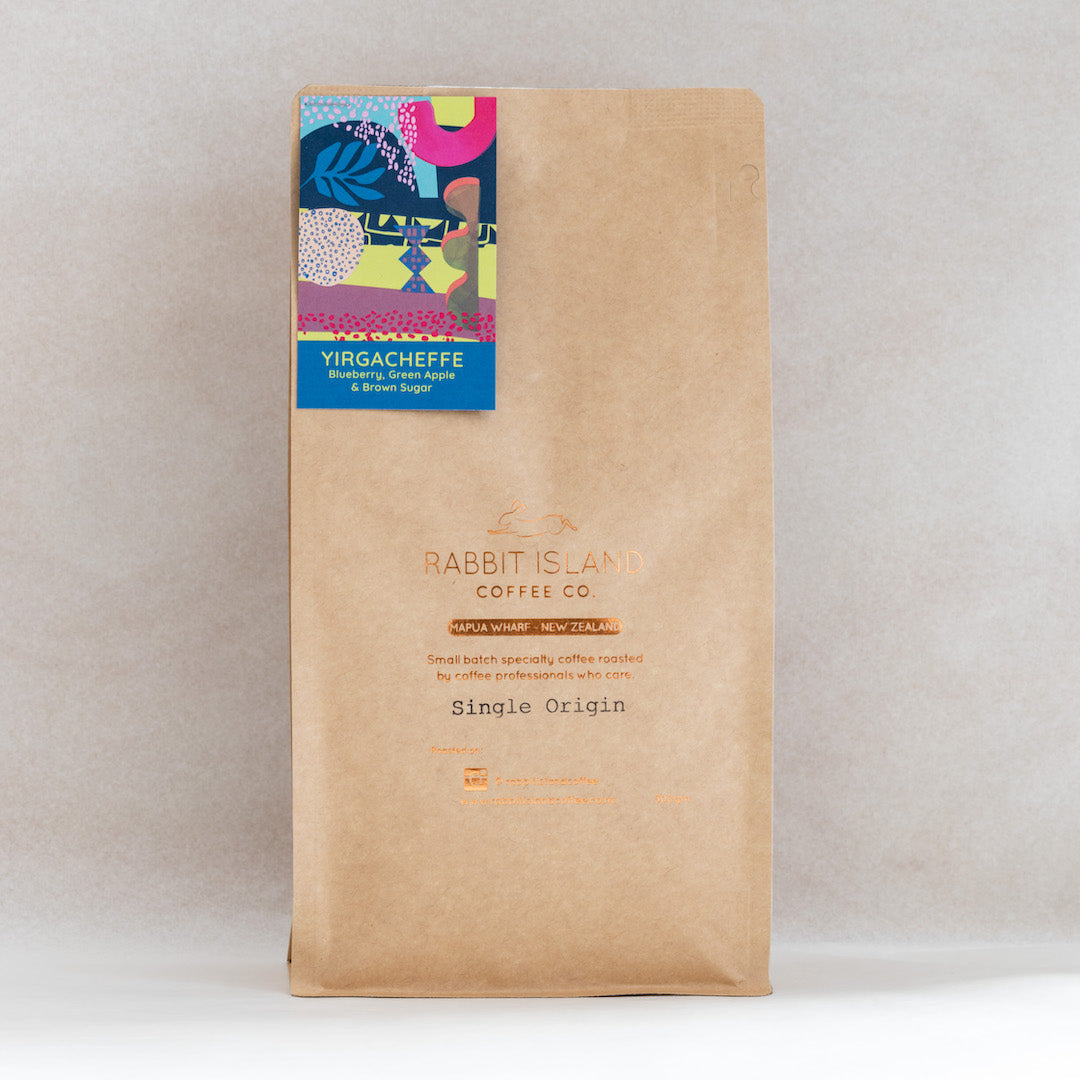
Single-origin micro-roast bag
A small-batch, single-origin Ethiopian microlot from a Nelson-based micro-roastery, roasted to highlight a distinct fruit-forward flavour rather than an everyday consistent blend.
Milk jug & digital scale
For frothing milk and weighing shots - the two cheap tools that make your results repeatable.
 Budget
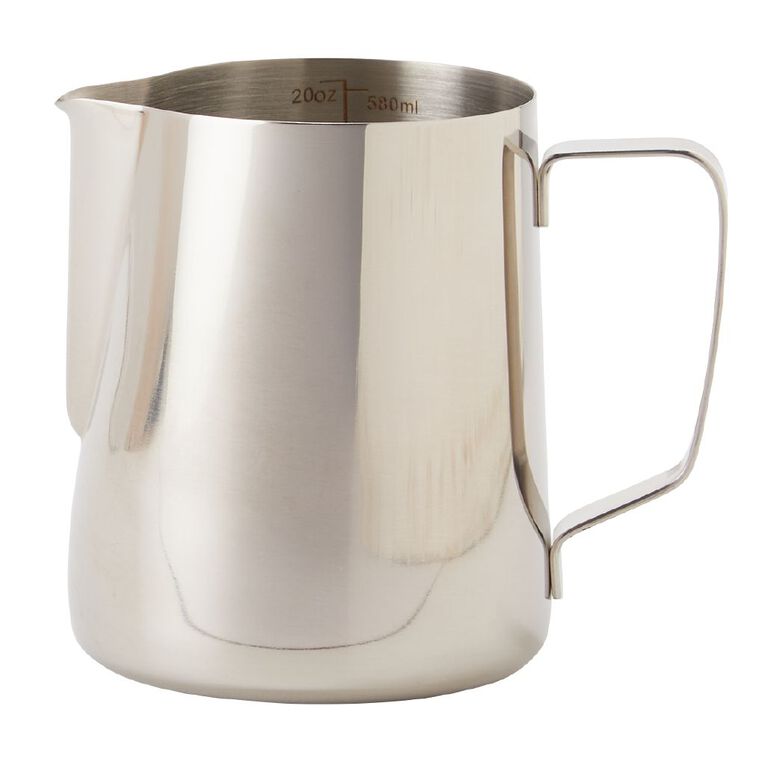
Basic stainless milk jug + kitchen scale
An inexpensive stainless steel frothing jug that, paired with any basic kitchen scale, covers the two cheapest tools that make milk texturing and dosing repeatable.
 Mid-Range
Motta milk jug + Acaia Pearl S
An Italian-made stainless steel frothing jug with a tapered spout for better pour control, often paired with a precision scale like the Acaia Pearl S for weighing shots.
Nice-to-have
Proper tamper & distribution tool
Even, level grounds mean an even extraction - a cheap upgrade over the plastic tamper that ships with most machines.
 Budget
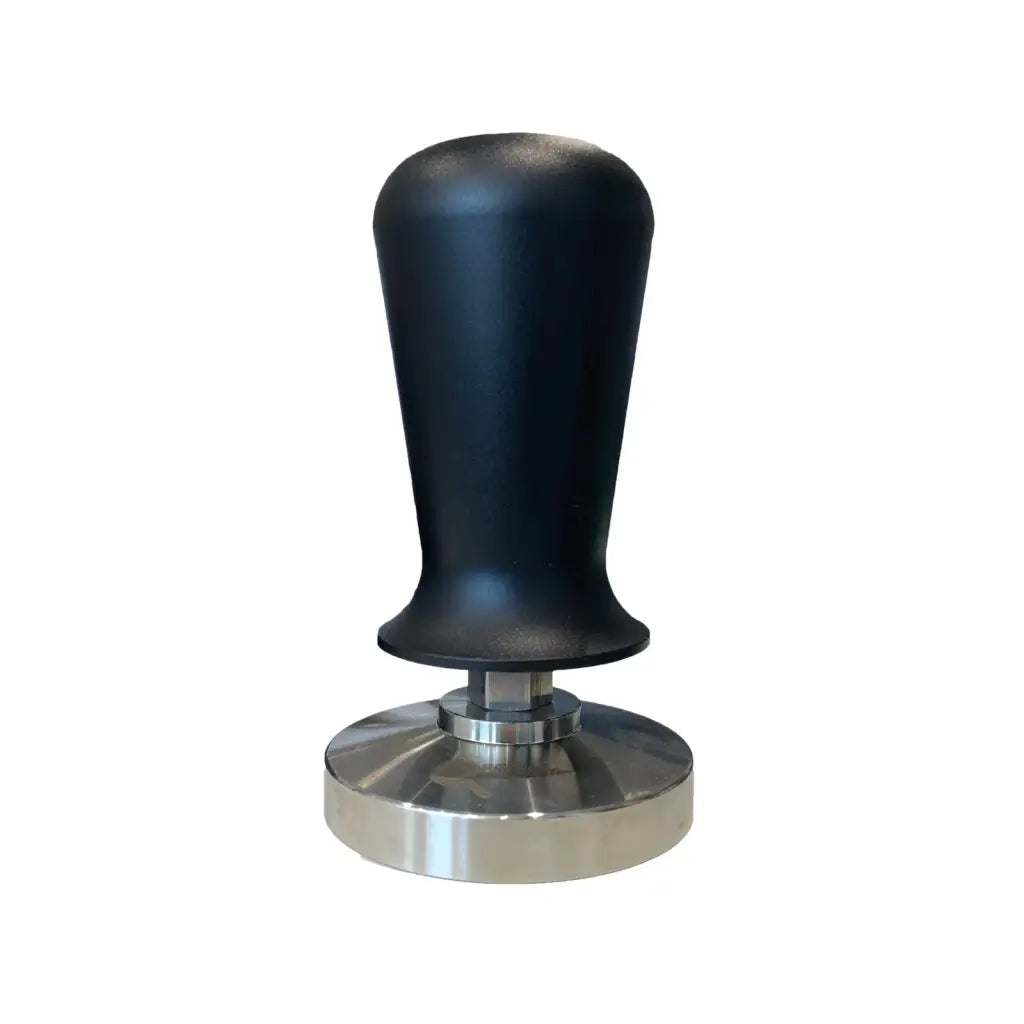
Generic 58mm calibrated tamper
A spring-loaded, pressure-calibrated tamper that applies consistent force every time, removing tamping technique as a source of shot-to-shot variation.
 Mid-Range
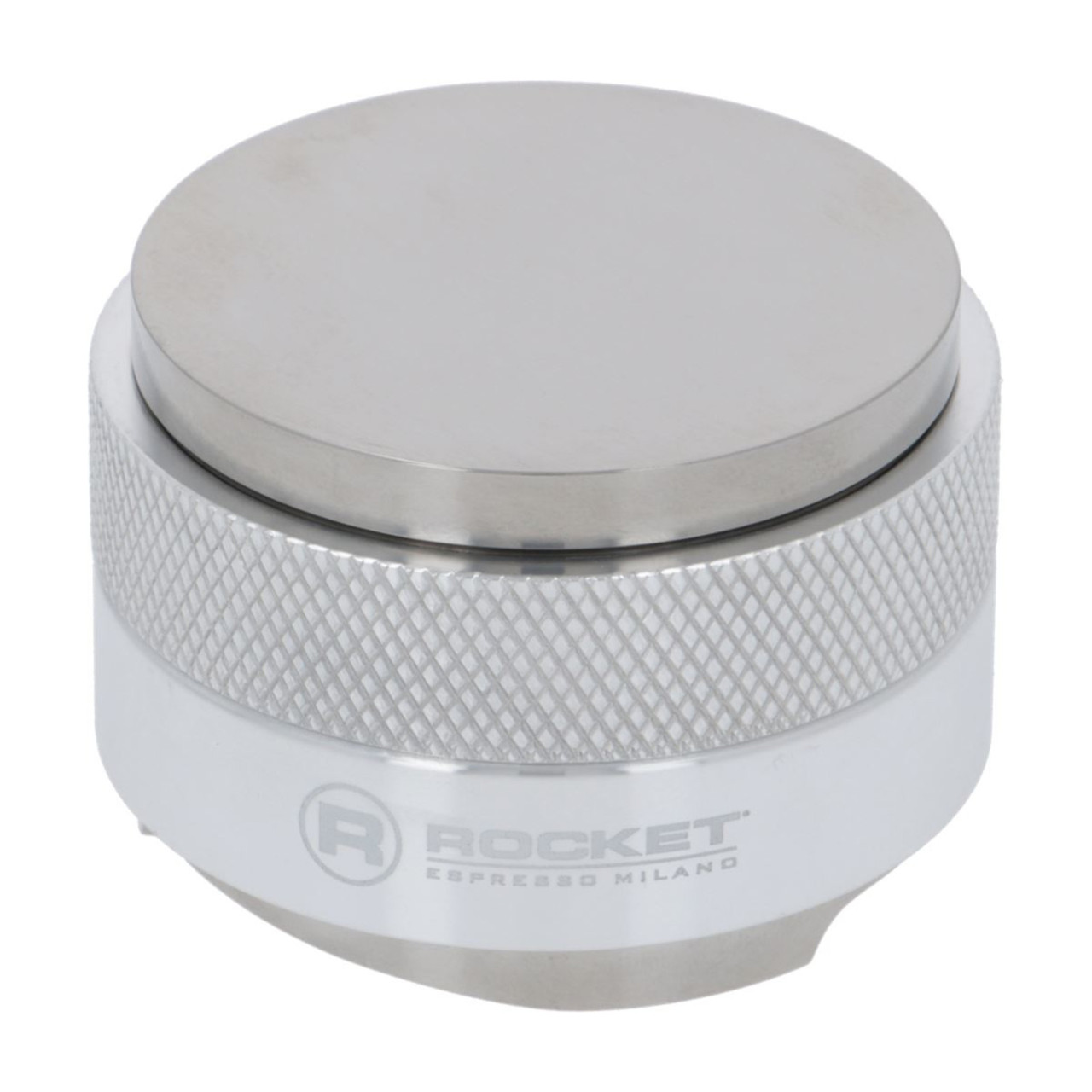
Rocket 2-in-1 leveller & tamper
A branded 2-in-1 tool from Rocket Espresso that combines a distributor and a tamper in one head, so levelling and tamping happen in a single motion instead of two separate tools.
Knock box
Somewhere to knock out spent pucks that isn't your bin lid or your bench.
 Budget
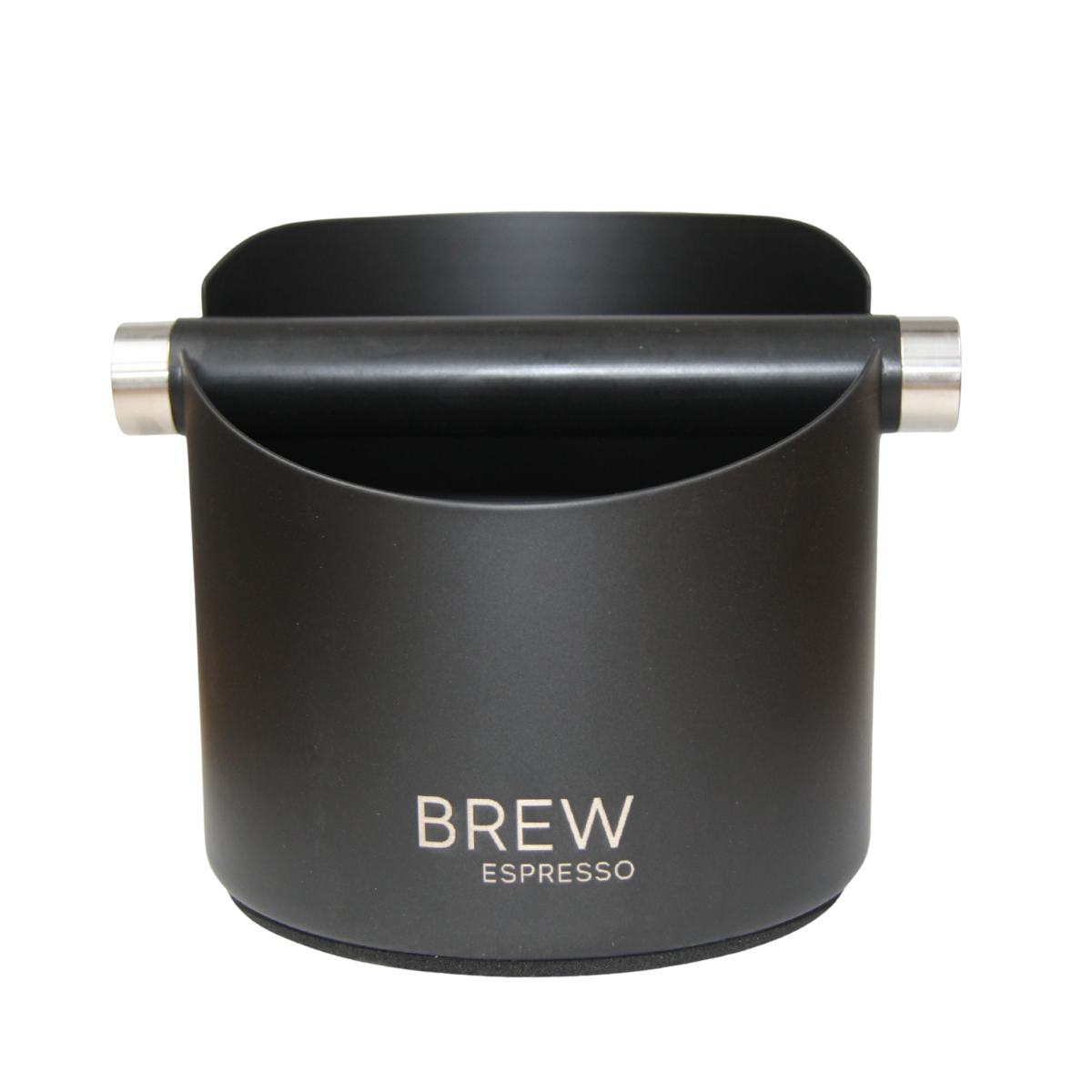
Basic stainless knock box
A simple stainless steel knock box with a non-slip base for knocking out spent pucks, keeping grounds contained instead of ending up in the bin lid or on the bench.
 Mid-Range
Knock box drawer (under-bench)
A drawer-style knock box designed to sit flush under a grinder or machine, keeping the puck bin out of sight while still being quick to empty.
Luxury
Dual boiler prosumer machine
Brew and steam at the same time with independent temperature control - a genuine step up for daily multi-cup households.
 Mid-Range
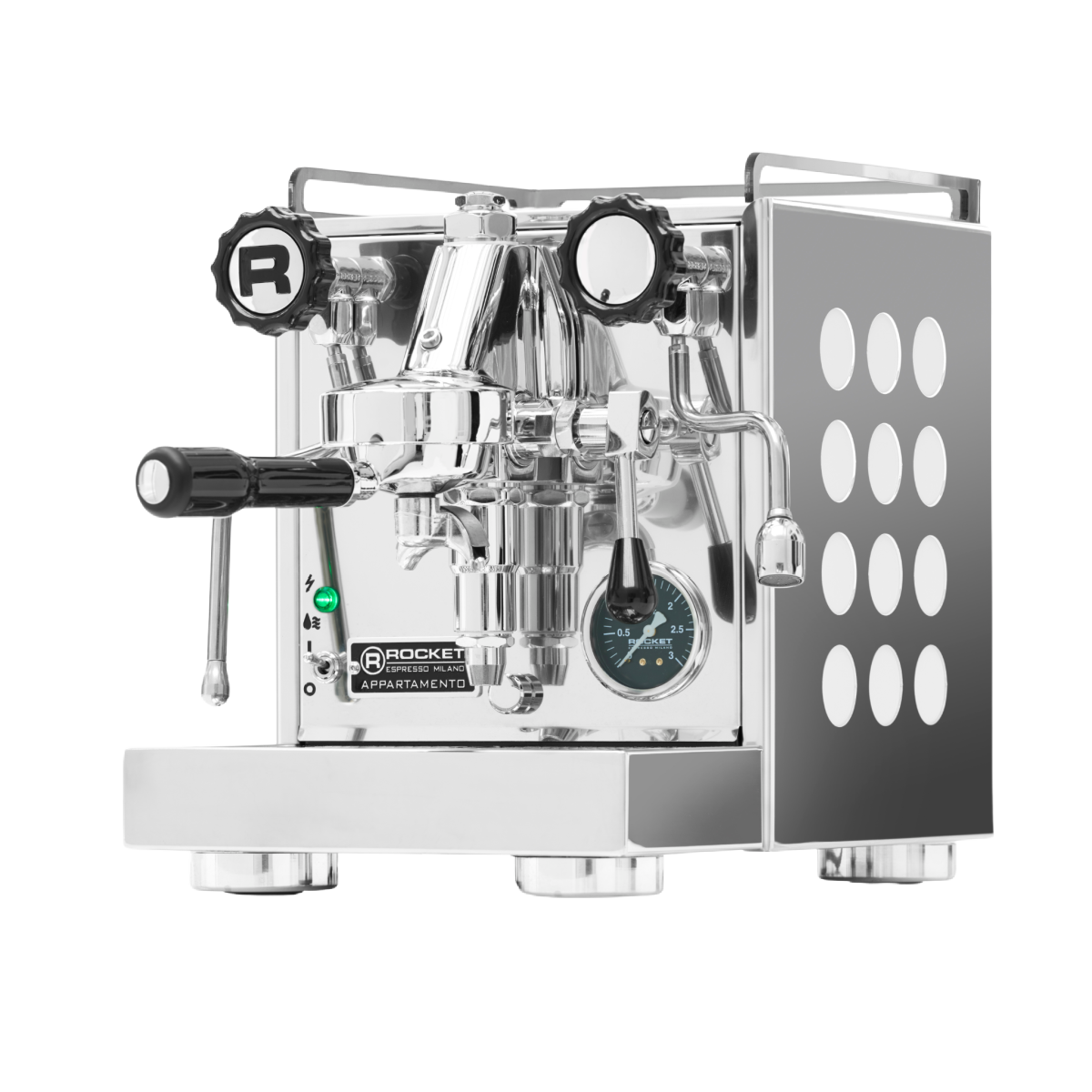
Rocket Appartamento
An Italian-made compact heat-exchanger machine built around an E61 group, aimed at multi-cup households wanting commercial-style build quality in a smaller footprint.
 Premium
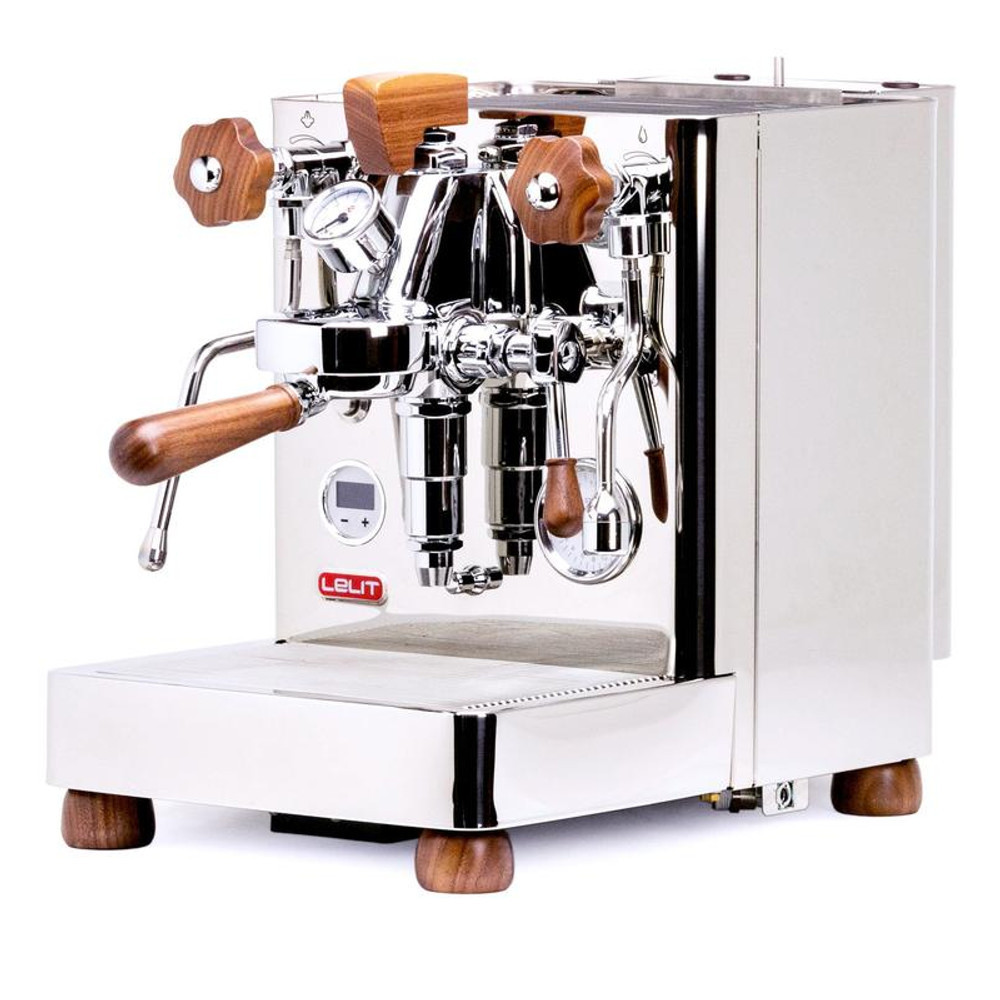
Lelit Bianca
A true dual-boiler machine with a pressure-profiling paddle, giving independent temperature control for brewing and steaming plus manual control over extraction pressure.
High-end grinder upgrade
Flat or conical burr grinders at this level shave inconsistency down to a level most people can't taste - but some can.
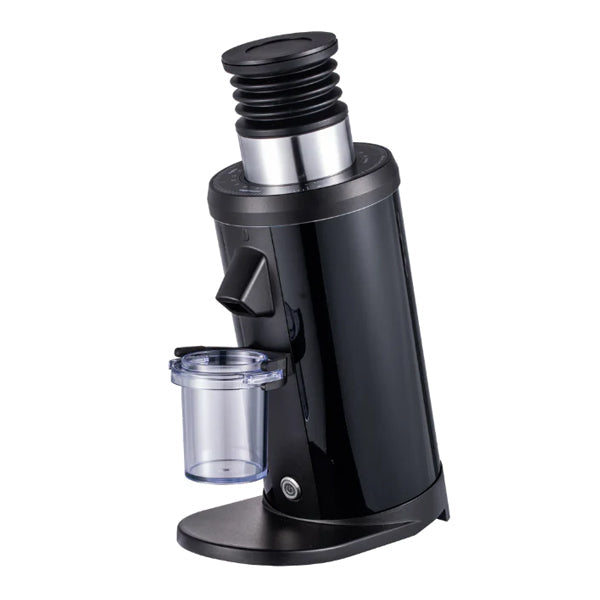 Mid-Range
DF64 flat burr grinder
A single-dose flat burr grinder with DLC-coated 64mm burrs and stepless adjustment, popular for delivering near-commercial grind consistency at a prosumer price.
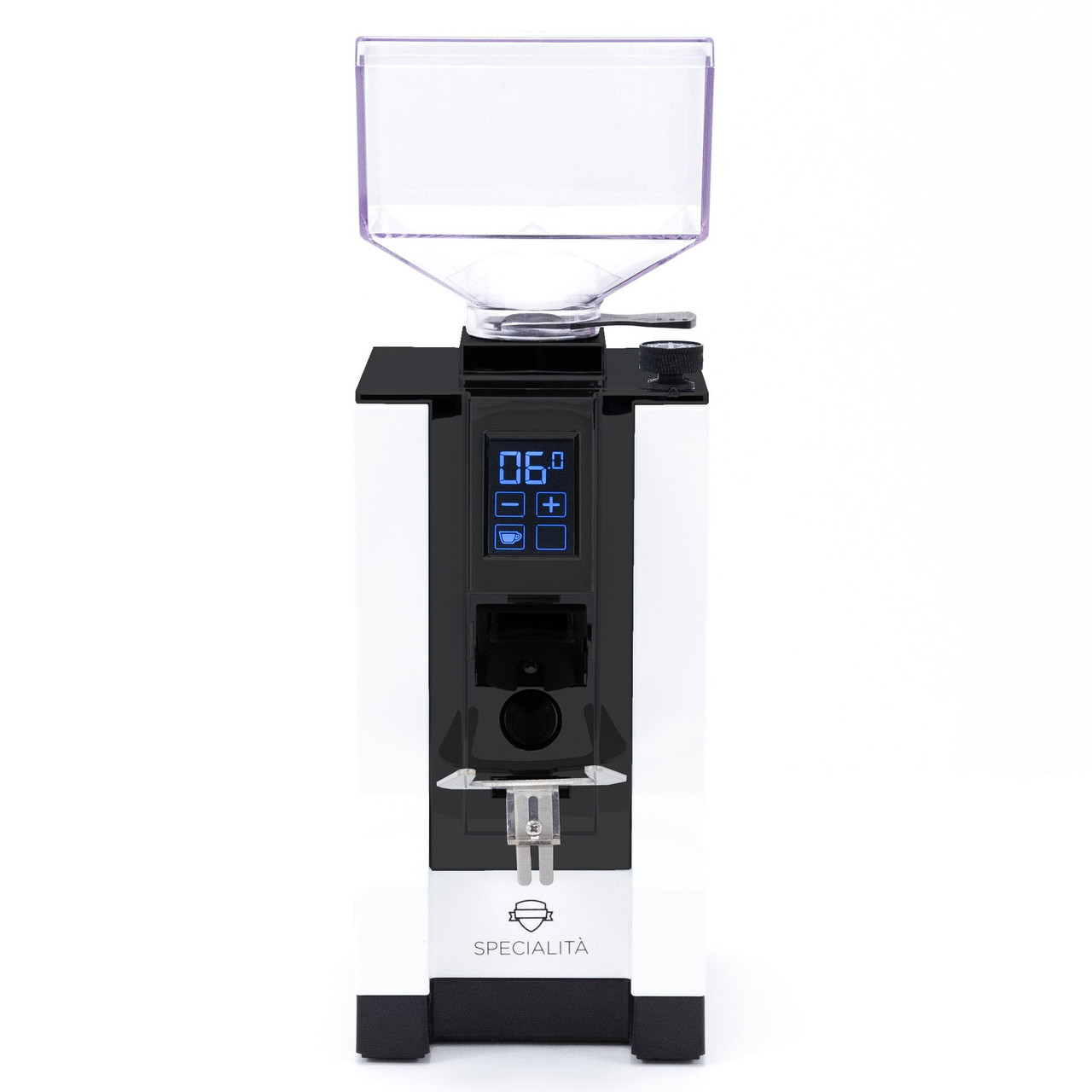 Premium
Eureka Mignon Specialita
An Italian-made single-dose flat burr grinder with touch controls and stepless adjustment, a genuine step up in consistency for people who've outgrown an entry prosumer grinder.
Frequently Asked Questions
Do I need a $2,000 machine to make good coffee at home?
No. A $400-600 semi-automatic machine paired with a proper grinder will out-perform a $2,000 machine paired with a poor one, every time. Spend the extra money on the grinder before the machine.
How often should I clean my machine?
Backflush (if your machine supports it) weekly with a proper detergent, wipe the steam wand after every single use while it's still warm, and descale every 1-3 months depending on your water hardness - most of NZ has relatively soft water, but it still builds up over time.
Is pod coffee (Nespresso) actually that much worse?
Not "worse" exactly - it's consistent and convenient. It's just a different thing to espresso, with a different cost structure (you're paying per pod indefinitely) and a lower ceiling for how good the coffee can get.
How long do beans stay good for?
Best used within 2-4 weeks of the roast date, and ideally ground right before brewing rather than in advance.
Know What To Buy, Before You Start
Pick a guide, read the basics, then work through the gear list at your own pace - necessities first, luxuries whenever you're ready.
Browse The Guides